
comfort

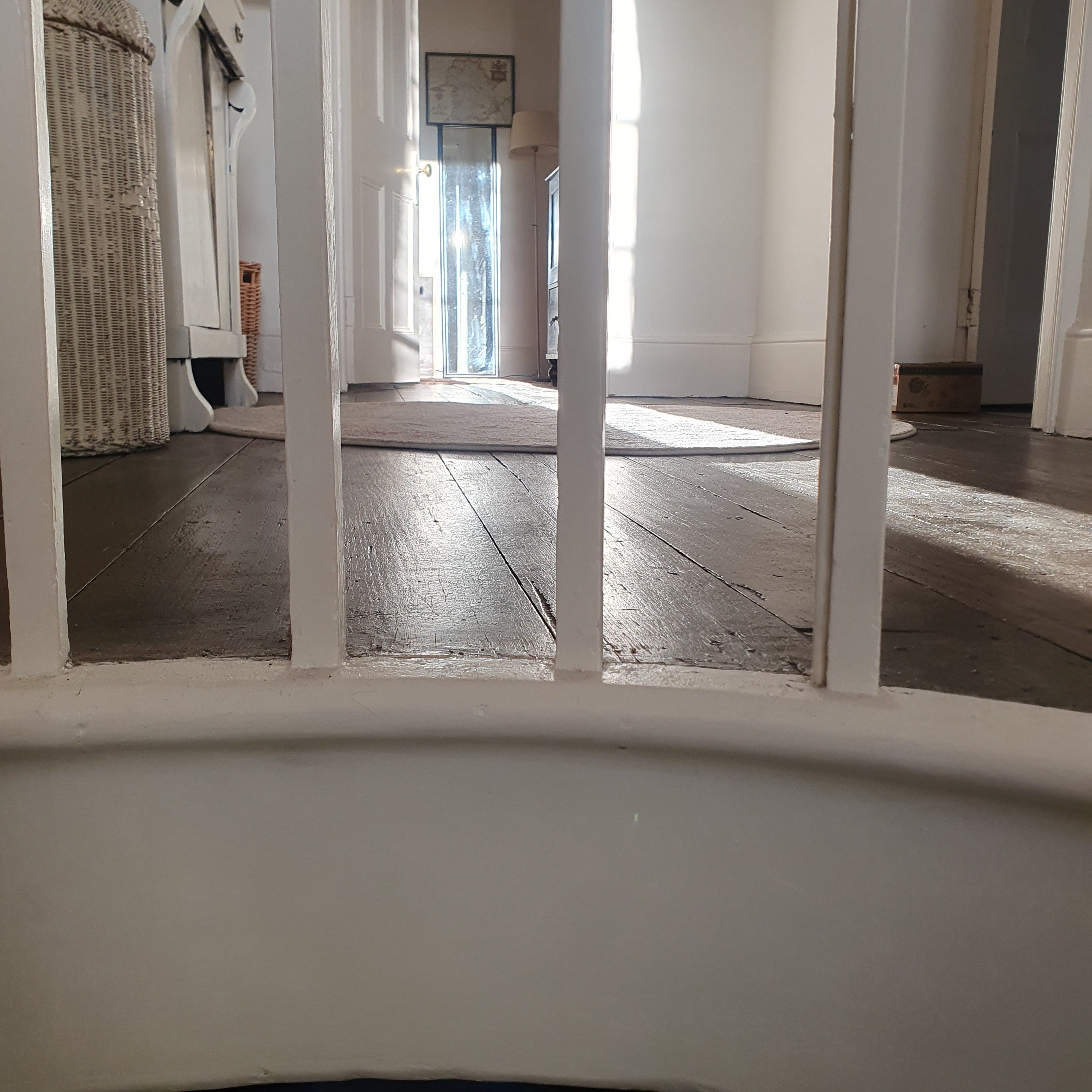
When I was young I didn’t despise comfort, exactly. I just didn’t approve of it. I distrusted it. In my mind to be comfortable was to be tricked into accepting the status quo, to cap my desires to the contours of the known. It was never to find out what I truly wanted. Because to find this out I’d have to step outside my familiar world and so risk discomfort. My thinking on this was simple. If the world of my family and home town couldn’t give me what I needed, and if I didn’t actually know what I needed, then I’d have to take myself out of my comfortable world and start again somewhere else.
I had to live for a few years in London before I realised that my distrust of the comforts of home, the feeling that their lure might stunt my growth, was as much a reflection of my own inner world as they were a reflection of anything in the outer world. A few winters in London soon taught me that living without hardship wasn’t to be despised, after all. To feel comfortable in my body, and to feel at home at home, these were things that I longed for. I still wasn’t interested in striving for shiny things and in advancing myself, whatever that meant. But I did long to feel ‘bien dans sa peau’ (comfortable in my skin).
These days, whenever I travel in the cold months, I pack a hot water bottle and slippers. Having a hot water bottle to warm the end of the bed now spells baseline comfort for me. Getting straight into slippers on getting out of bed makes getting up, wherever I happen to be, that much easier. I’m no longer in conflict over animal comforts. I’m much more drawn by my teenage question, ‘Why are we here?’ than I am by the worry that basic home comforts will weaken my resolve.
Besides these days I look after myself. Each morning I collect the water from my hot water bottle and, every few days, tip the container on to whatever plants seem in need of it. Every so often, I wash the hot water bottle cover along with my sheets. And I replace the rubber bottle once a year in case of leaks. In other words, I pay a price for my basic comfort and feel at no risk of becoming too comfortable. I’m far enough into my life for there to be too many factors beyond my control for that.
Even if I were very rich, very old, or very sick, I wouldn't want to be looked after by someone else. It would make me uncomfortable. It wouldn’t find it easy, is what I mean. It would mean accepting a kind of defeat, that I was no longer able to do for myself those things that give me comfort. I suppose means that I have more inner work to do. Or perhaps this is a feeling that is commonly shared but little spoken about.
When we travel, which I’m about to do, there’s a huge emphasis on comfort. Comfort is a selling point, a sales pitch. Apart from the home of an old friend, the people who host the places where I’ll be staying have no idea who I am or what I like. Seeking to please, they’ll offer a hair dryer and multiple cable channels. Instead of the plain yoghurt that I’d really like in the fridge, there’ll be a container of long-life milk sitting lonely on a spectacularly clean shelf. There won’t be a Bible in a drawer, those days are gone. But there might be a soy candle. There may be a folder of flyers for local attractions that I won’t feel attracted to - and no mention of the local café and butcher that I am on the lookout for. And the airlines I’ve booked with will send me seventeen emails to befuddle me in the departure lounge, when I really I want just one or two.
Being away is better and worse than being at home. It’s miraculous to find yourself plonked somewhere quite else. For your eye to be drawn to differently shaped leaves on trees and to bask in other people’s idea of what’s normal. To not have to rush every morning, and to be able to play with time. To let up on all those musts. But it’s also a fag to be left mid-morning with a suitcase, even one with rollers, between one accommodation and the next, and that feeling of foraging for the next meal and of spending more money on the basics than one otherwise might.
In yoga class, we’re often encouraged to be there with the discomfort of a pose, to pull back from pain but to put up with anything this side of our ‘edge’, of our threshold of pain. Life is like this too. It’s impossible to sustain a sense of ease without now and then butting up against the experience of things not being as we might like them to be, and of having to adjust ourselves accordingly. And the same goes inside ourselves. Again and again we have to hit our edge before reining back in, coming to rest momentarily and so dwelling within.
.